
Why Every Business Needs a Strong Branding Strategy in 2026
In today’s competitive market, having a great product or service is no longer enough. Businesses must also build a powerful brand identity that connects with customers. A strong branding strategy in 2026 is essential for standing out, building trust, and creating long-term business growth.
Branding is more than just a logo or color palette. It represents how customers perceive your company, your values, and the experience you deliver. Businesses that invest in branding often achieve stronger customer loyalty, higher recognition, and better marketing results.
What Is a Branding Strategy?
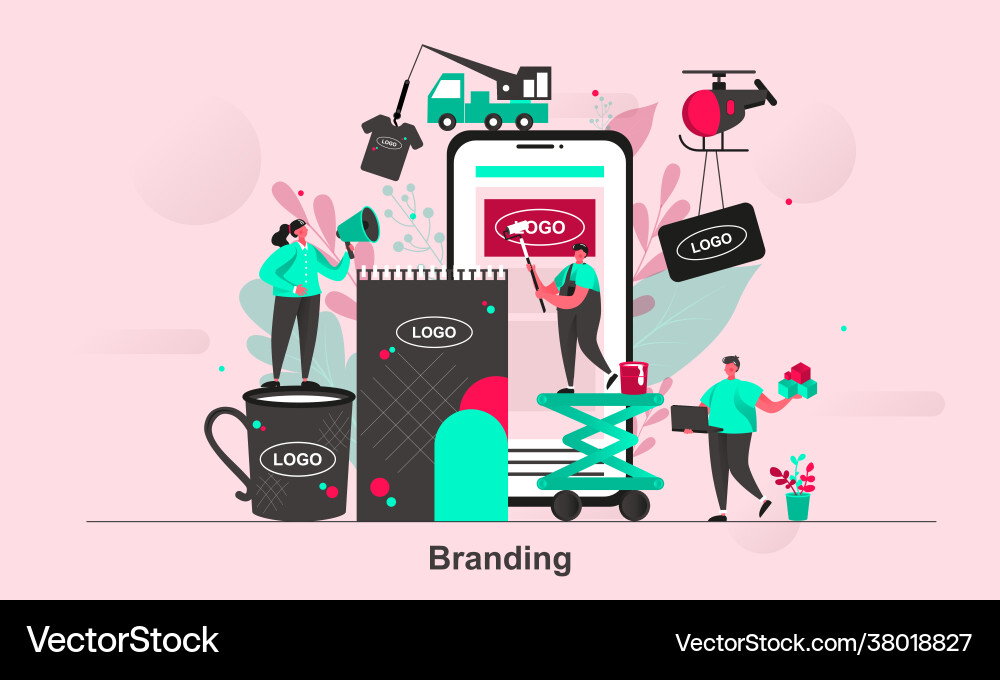
A branding strategy is a long-term plan designed to shape how a business is perceived by its audience. It includes several important elements such as:
- Brand identity
- Brand voice and messaging
- Visual design (logo, colors, typography)
- Customer experience
- Brand values and mission
In 2026, branding extends beyond traditional marketing. It includes social media presence, digital storytelling, customer engagement, and online reputation management.
Businesses that maintain consistent branding across all platforms—including websites, advertisements, and social media—create stronger recognition and trust among customers.
Branding Builds Trust and Credibility
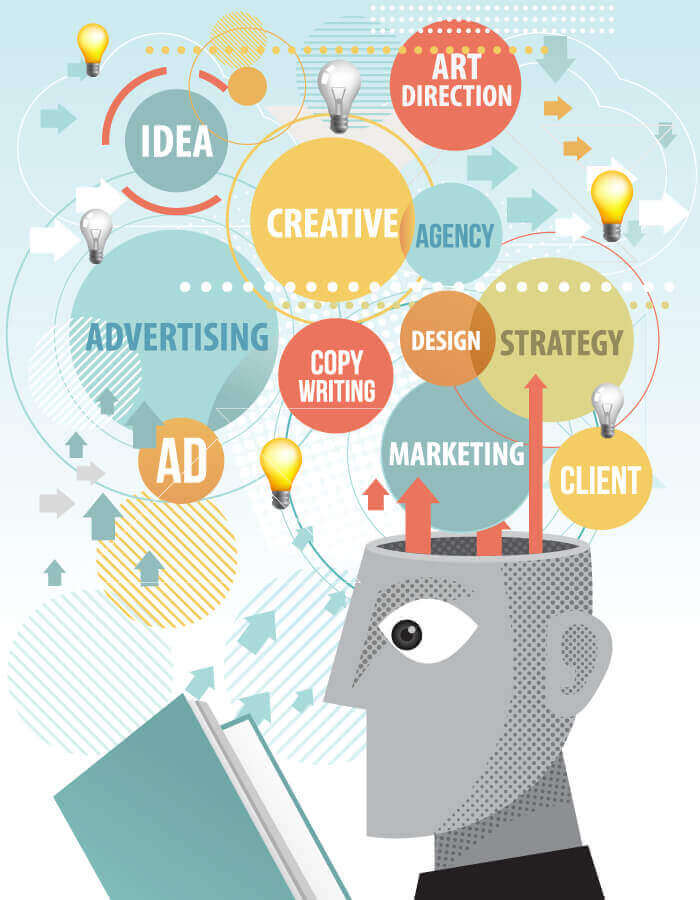
Trust is one of the most important factors influencing customer decisions. Consumers prefer to purchase from brands they recognize and believe in.
A strong branding strategy helps businesses appear professional, reliable, and trustworthy. Consistent design, messaging, and communication signal credibility.
In an era where online scams and unreliable companies exist, customers often judge businesses based on their branding before making a purchase decision.
Strong Branding Improves Customer Recognition
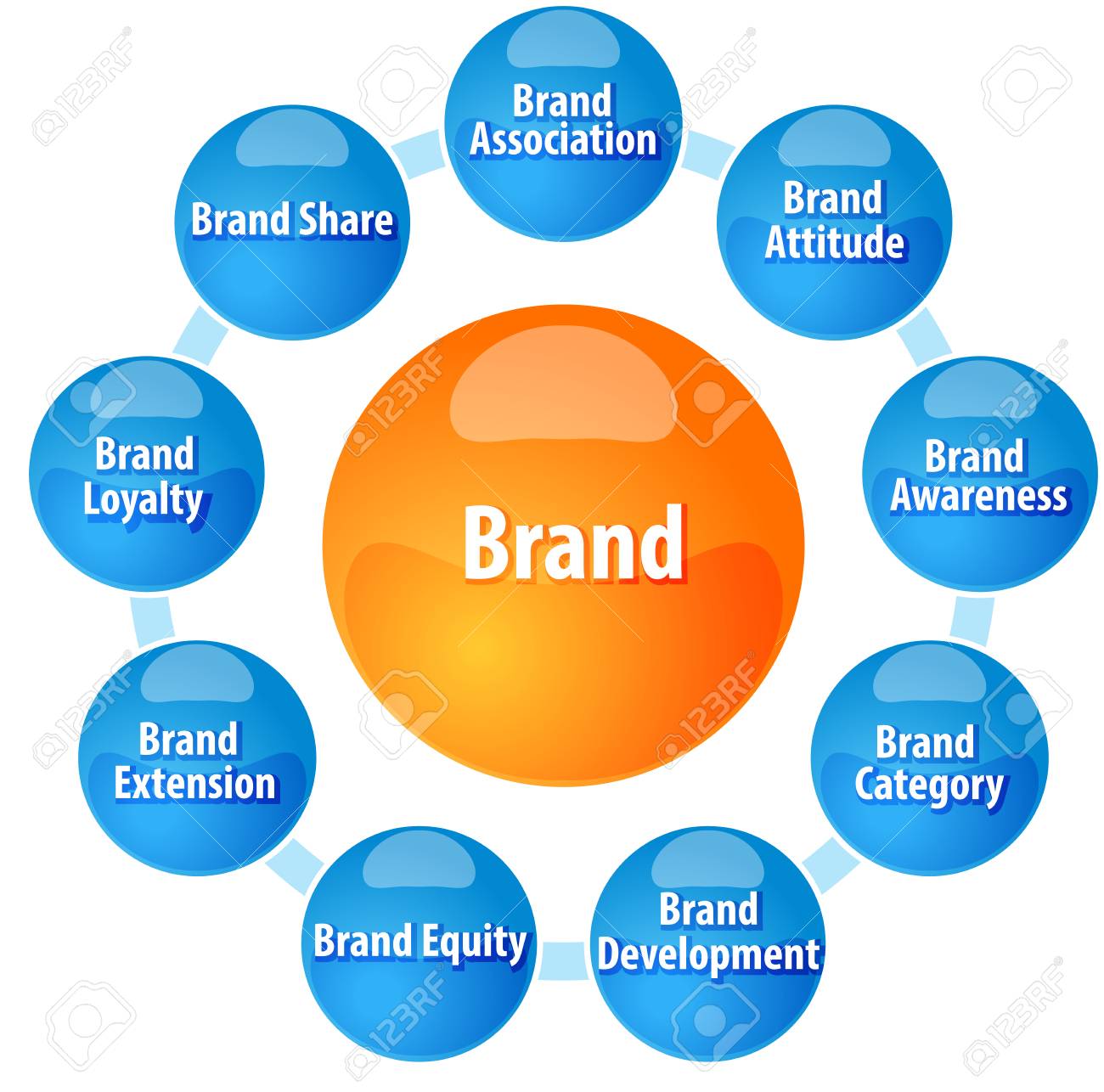
One of the biggest benefits of branding is brand recognition. When customers repeatedly see the same logo, colors, messaging, and design style, they begin to remember the brand easily.
This recognition leads to higher brand recall, meaning customers are more likely to choose your business when they need a product or service.
For example, many global companies are instantly recognizable even without their names—simply because their branding is so strong.
Branding Creates Emotional Connections with Customers

Modern consumers want more than products. They want meaningful connections with brands.
A well-crafted branding strategy communicates your company’s story, values, and mission. When customers relate to these values, they develop an emotional bond with the brand.
In 2026, consumers increasingly support brands that align with their beliefs, lifestyles, and social values.
This emotional connection leads to:
- Higher customer loyalty
- More repeat purchases
- Strong word-of-mouth marketing
Branding Strengthens Marketing Performance

Marketing campaigns perform far better when supported by strong branding.
Whether businesses use content marketing, social media marketing, paid advertising, or email campaigns, branding ensures consistent messaging and visual identity.
A recognizable brand also increases the effectiveness of marketing because customers already trust and remember it.
Strong branding also helps businesses successfully launch new products or services.
Branding Provides a Competitive Advantage
Thousands of businesses compete in almost every industry today. Branding helps companies differentiate themselves from competitors.
Two businesses might offer similar products, but the one with better branding will often attract more customers.
A clear brand voice, unique visual identity, and consistent communication make a business memorable and distinctive.
This competitive advantage becomes even more valuable in crowded digital marketplaces.
Conclusion
In 2026, branding is not optional—it is a fundamental requirement for business success. A strong branding strategy helps businesses build trust, improve recognition, connect emotionally with customers, and enhance marketing performance.
Companies that invest in branding position themselves for long-term growth, stronger customer loyalty, and a powerful competitive advantage.
Whether you are launching a startup or growing an established business, building a strong brand identity is one of the most valuable investments you can make.